
Zigbee IO Devices: Smart, Wireless I/O for Modern Automation
What Are Zigbee IO Devices?
Zigbee IO devices are reliable wireless input/output modules used by businesses to connect sensors, relays, and control equipment without complex wiring. For factories, commercial buildings, and infrastructure projects, Zigbee-based IO solutions offer a cost-effective way to expand automation systems while maintaining stable and secure communication.
Designed for low-power and long-term operation, Zigbee IO modules are ideal for B2B environments such as manufacturing plants, warehouses, data centers, and smart buildings. Their mesh networking capability ensures consistent signal coverage across large sites, even in areas where Ethernet or Wi-Fi connectivity is difficult to deploy.
What we propose to our customers
Request for Zigbee IO Module Quote contact us for sales & Services Request a Quote
01
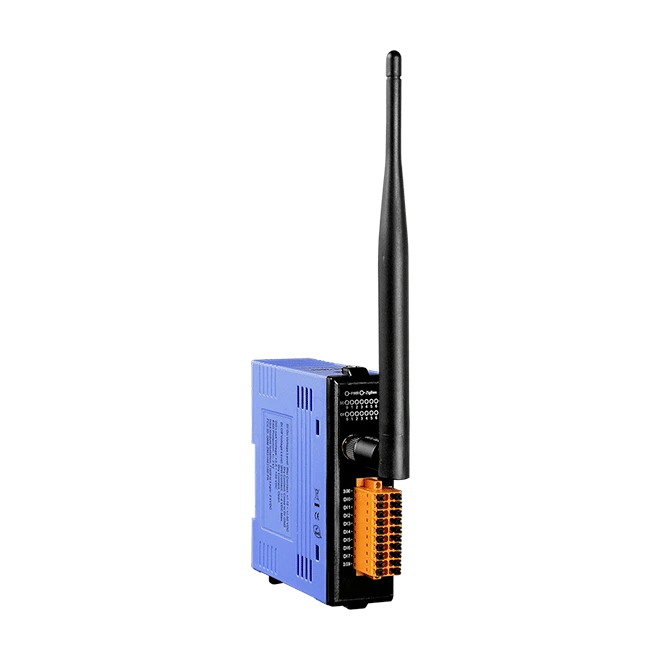
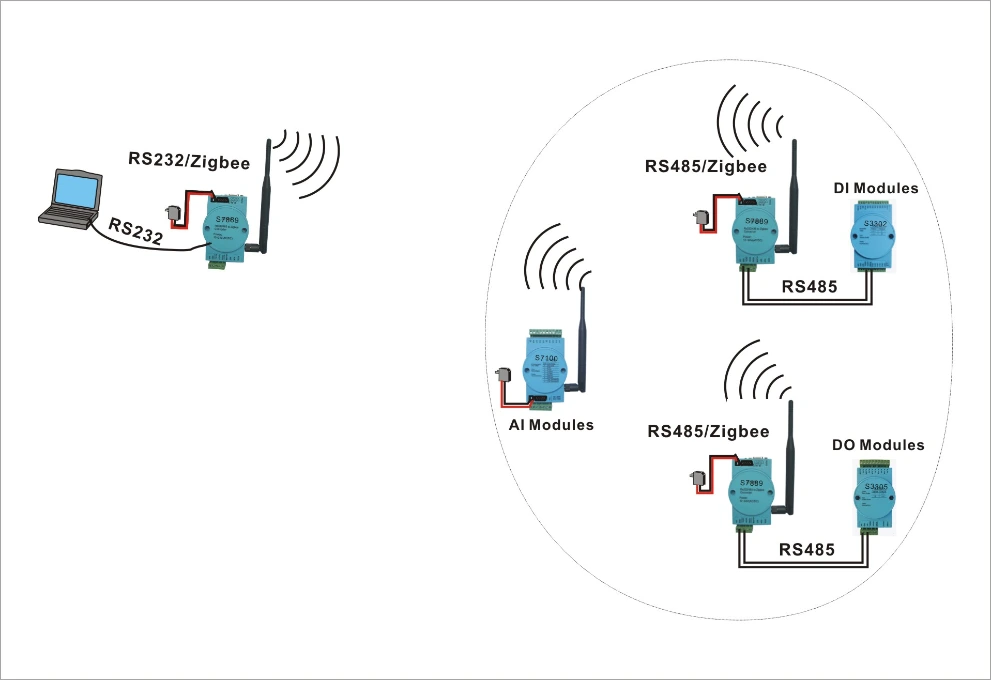
ZigBee Wireless 8-ch Analog Input Module
02
03
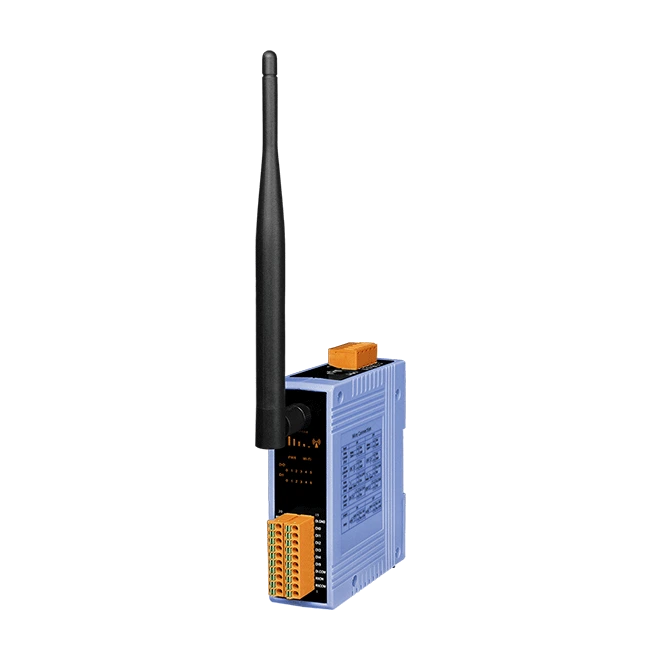
ZigBee I/O Pair-connection Module with 14-ch Isolated DI
04
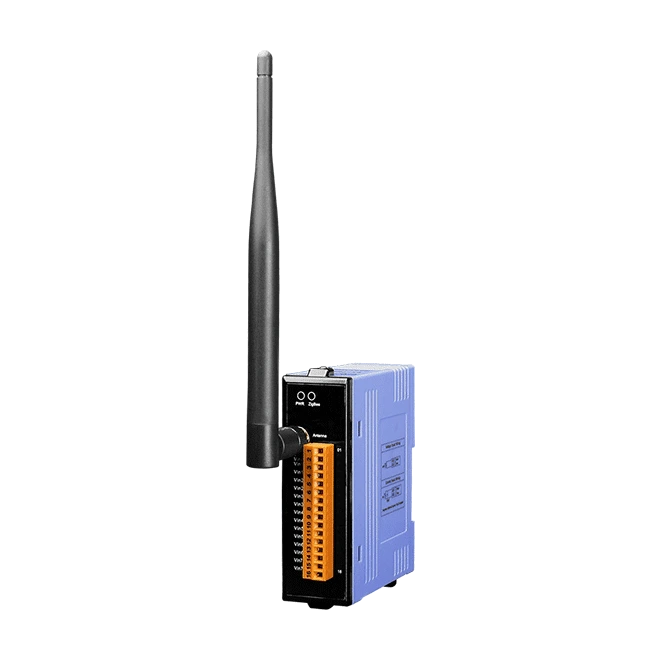
ZigBee Wireless 8-ch Isolated DI and 8-ch Isolated DO Module
Choosing the Right Zigbee IO Module for Your Application
Zigbee IO solutions provide scalable wireless IO connectivity without major infrastructure changes. Whether deployed in industrial zones, commercial buildings, or remote facilities, Zigbee IO devices help improve operational efficiency, energy management, and predictive maintenance.Their reliability and low maintenance requirements make them suitable for long-term B2B deployments and service-based automation contracts.
Digital input modules
Connect to switches, motion sensors, and door contacts. They're perfect for security systems and occupancy detection.
Analog input devices
Work with temperature sensors, humidity monitors, and light level detectors. If you're building a greenhouse automation system or monitoring environmental conditions, these are your go-to option.
Relay output modules
Let you control lights, motors, valves, and other equipment remotely. I've seen these used for everything from controlling irrigation systems to automating warehouse lighting.
Multi-channel IO controllers
Combine inputs and outputs in one compact package. These are great when you need flexibility and don't want to install multiple separate devices.
Real-World Applications That Actually Make Sense
Smart building automation
is probably the most common use case. Property managers use Zigbee sensors to monitor occupancy, adjust HVAC systems automatically, and track energy consumption across entire office buildings.
Industrial monitoring
Factories use wireless IO devices to monitor equipment status, track production metrics, and trigger alerts when machines need maintenance—all without the expense of hardwired installations.
Agricultural automation
Farmers are using Zigbee soil moisture sensors and weather stations to optimize irrigation and reduce water waste.
Choose Zigbee Over Wi-Fi or Bluetooth?
The battery life is incredible. We're talking years on a single coin cell battery for many sensors. That's because Zigbee devices spend most of their time "asleep," only waking up when they need to send or receive data.
The mesh network is self-healing. If one device goes offline, the network automatically finds another route. This makes your whole system more reliable than traditional point-to-point connections.
It handles lots of devices easily. A single Zigbee network can support hundreds of devices—way more than your typical Bluetooth setup