
What Exactly is a Serial Converter?
In automation environments, serial converters are commonly used to convert RS-232, RS-422, and RS-485 signals into formats compatible with PLCs, SCADA systems, HMIs, and industrial gateways. By acting as a bridge between devices with different communication standards, they ensure stable data transmission across factory floors, remote monitoring systems, and process automation networks. Industrial serial converters are designed for harsh operating conditions, offering features like electrical isolation, wide temperature tolerance, and noise immunity. Many models support DIN-rail mounting, redundant power inputs, and surge protection, making them suitable for manufacturing plants, energy systems, building automation, and transportation infrastructure.
Wri
Serial Converters: Reliable Communication Between Industrial Devices
te something...

What we propose to our customers Request a Quote
Our company offers industrial serial converters designed for reliable data communication in automation environments. Our portfolio includes serial communication converters such as RS-232 RS-485 converters and serial to USB converters for seamless device integration. We also provide serial device networking solutions and protocol converters for automation to connect legacy equipment with modern control systems
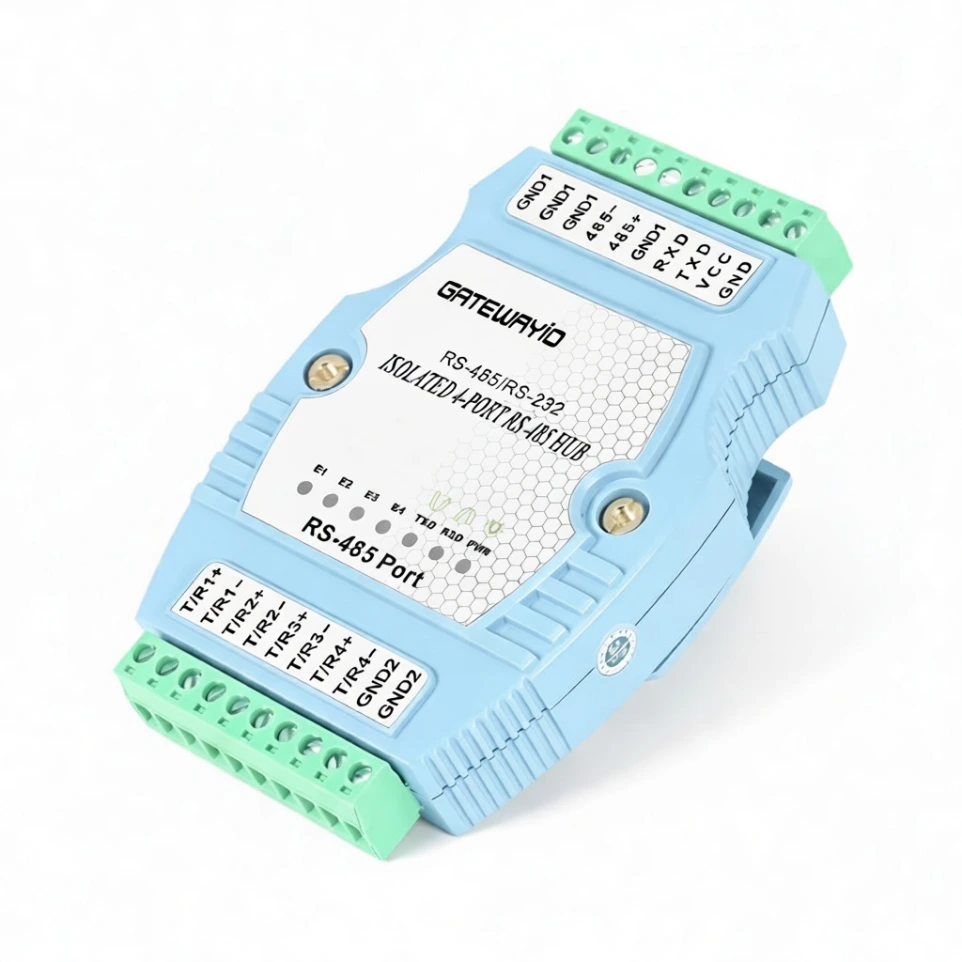
RS-232 to RS-485/422 Converter
RS-232 to RS-485/422 Converter gives a reliable way to accomplish signal conversion between different serial equipment for increased network capacity.
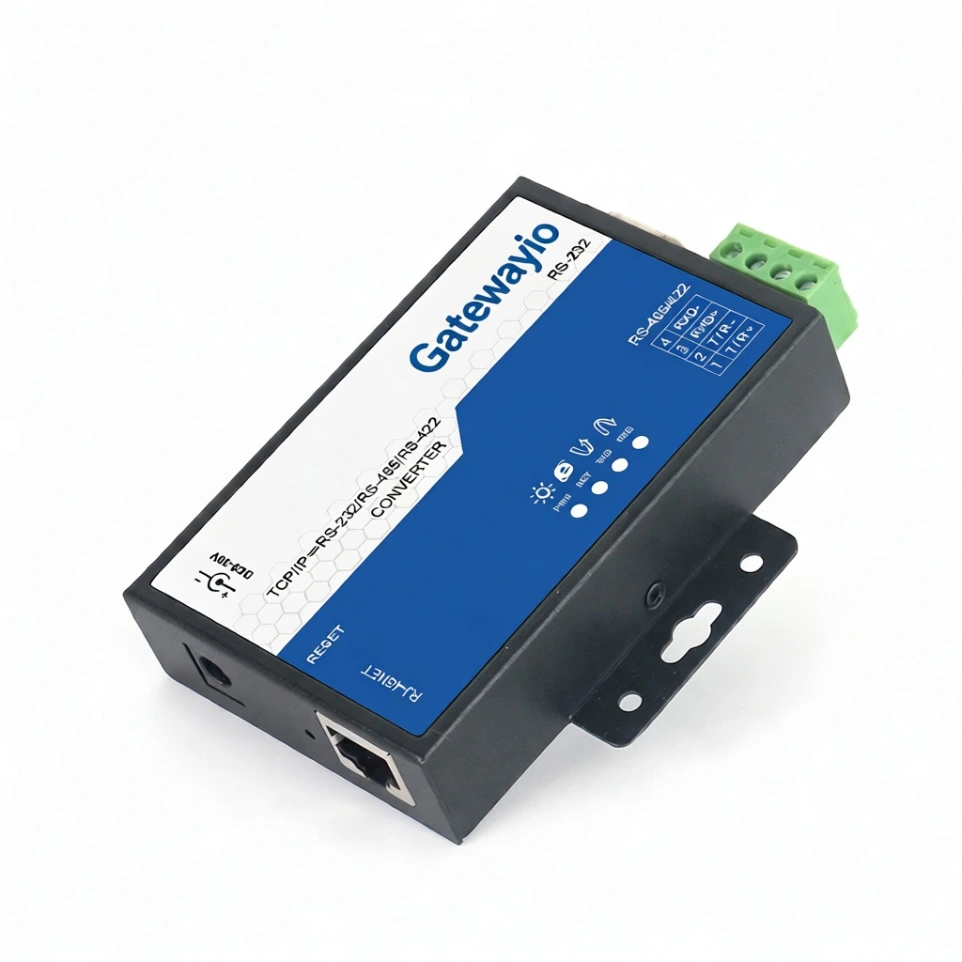
RS232/422/485 Serial-to-Ethernet Device Server
Make serial devices to be remotely managed over Ethernet network
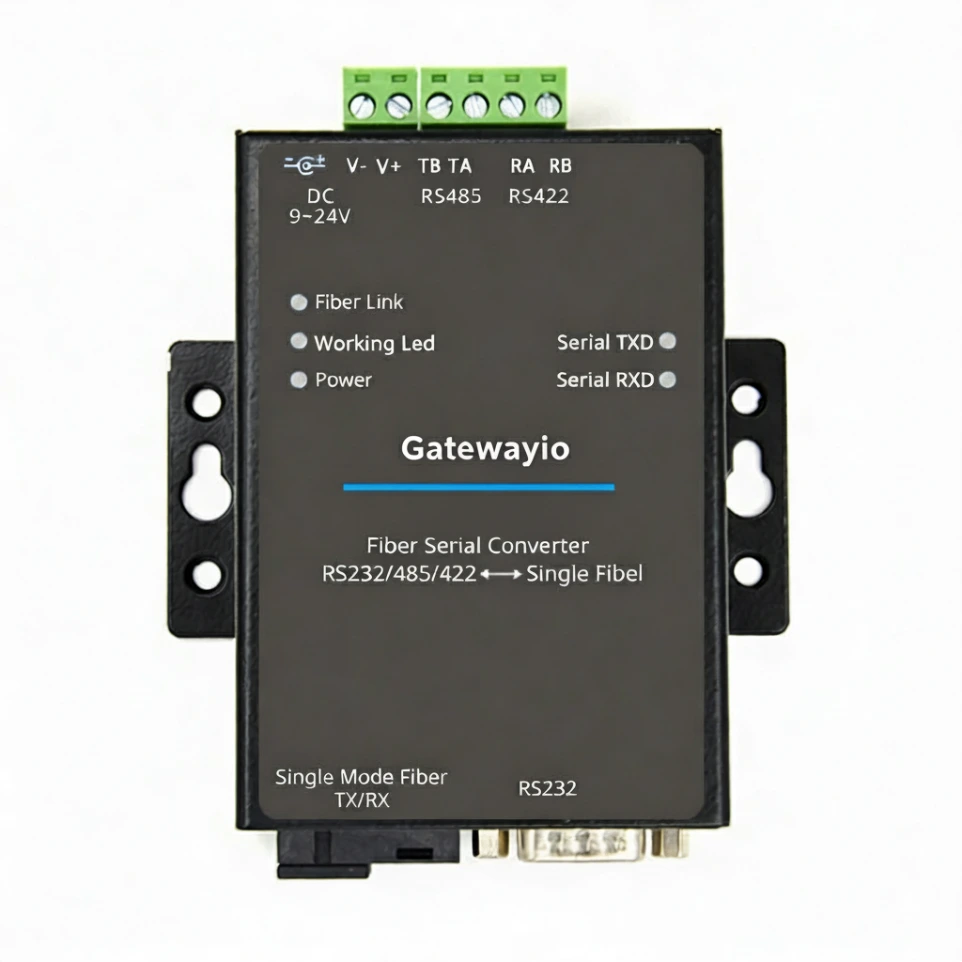
Industrial RS-232/422/485 to Fiber Converter
Make serial devices to be remotely managed over long-distance fiber
How to choose an industrial serial converter
Choosing the right industrial serial converter is easier when you know exactly what you're trying to connect. Start by checking the protocols of your existing equipment — whether it's RS-232, RS-485, or another standard — and decide what you need to connect it to, such as Ethernet, USB, or a modern industrial network like PROFINET.
Next, think about your operating environment. Will the converter be exposed to dust, moisture, or vibration? If so, you'll want a rugged, industrially-rated model with proper housing and certifications. Also, consider features like isolation, power supply options, and whether it needs to support real-time communication or simple data pass-through.
Finally, look for a converter that offers intuitive setup and good software support — some include web interfaces or configuration tools that save a lot of time. Taking these steps will help you find a converter that not only works but is also reliable, easy to integrate, and built to last on your factory floor.
The Future of Serial Communication
Modern converters now include features like built-in web servers for configuration, support for secure encrypted connections, and integration with cloud-based monitoring platforms.
The Industrial Internet of Things (IIoT) is giving serial converters new life. Companies are using Ethernet and WiFi serial converters to bring decades-old equipment online, extracting valuable production data without replacing perfectly functional machinery